The Pride of Native Wild Ginseng

Values and Philosophy
of Tosan Sansam Values and Philosophy of Tosan Sansam
of Tosan Sansam Values and Philosophy of Tosan Sansam
自然山蔘
Wild Ginseng
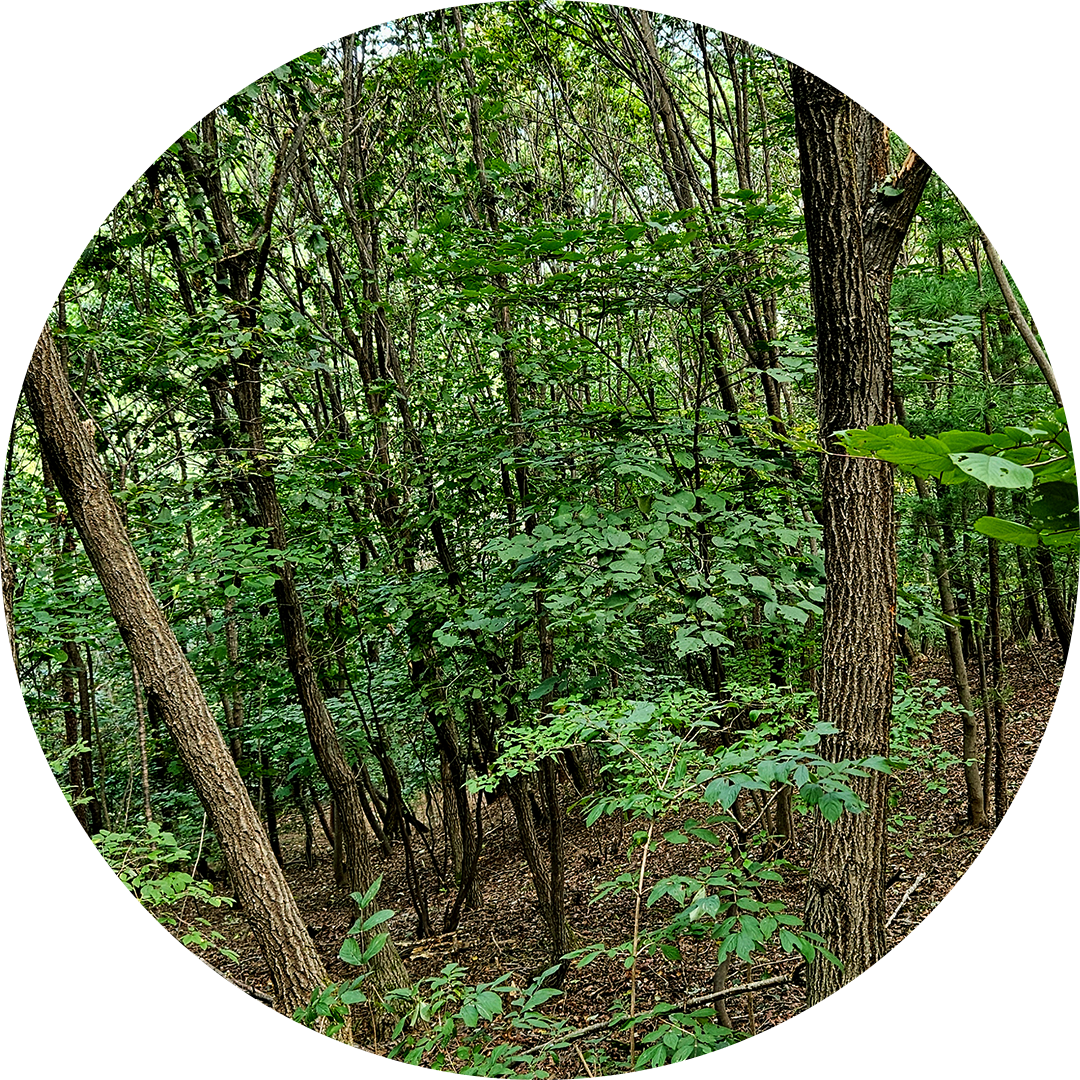
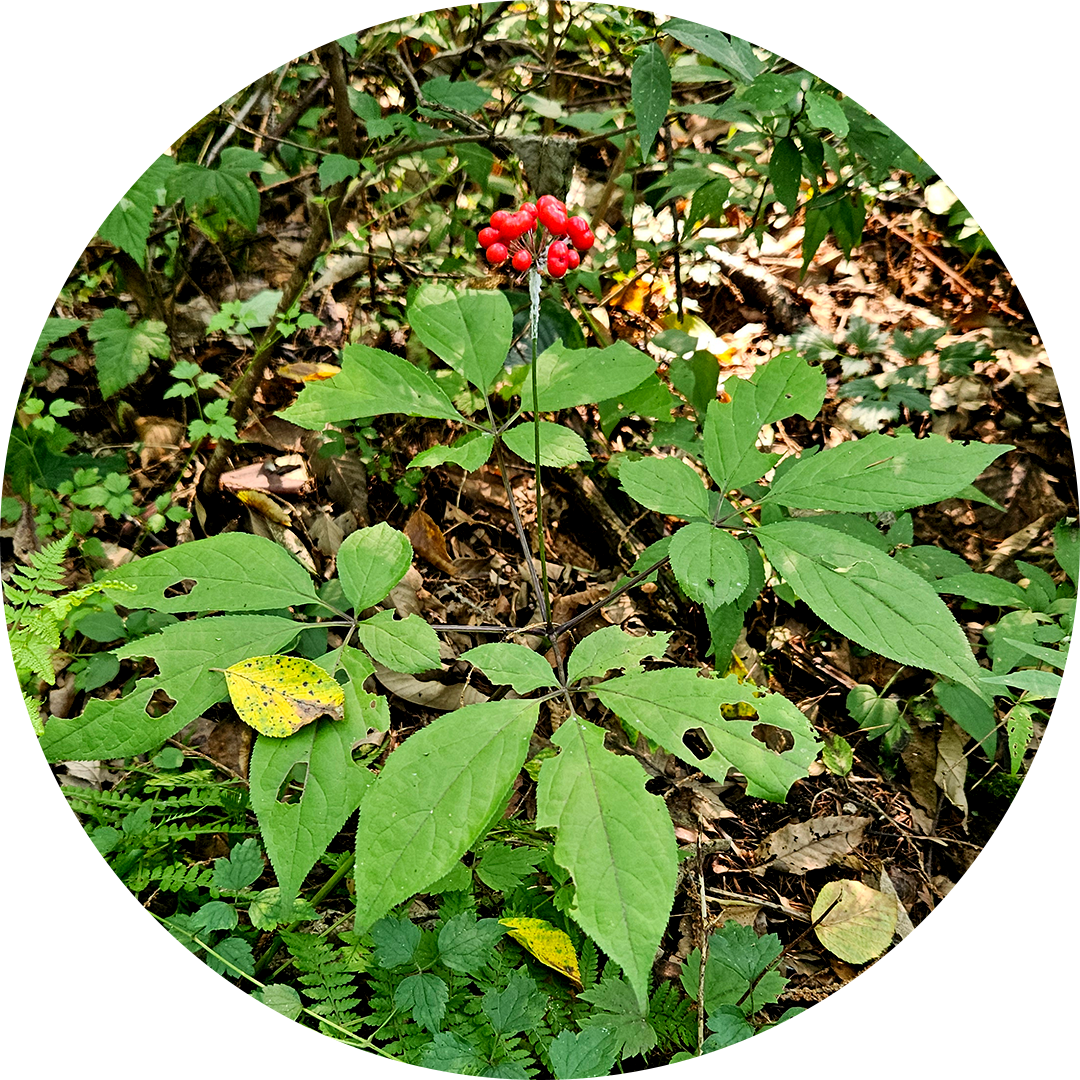
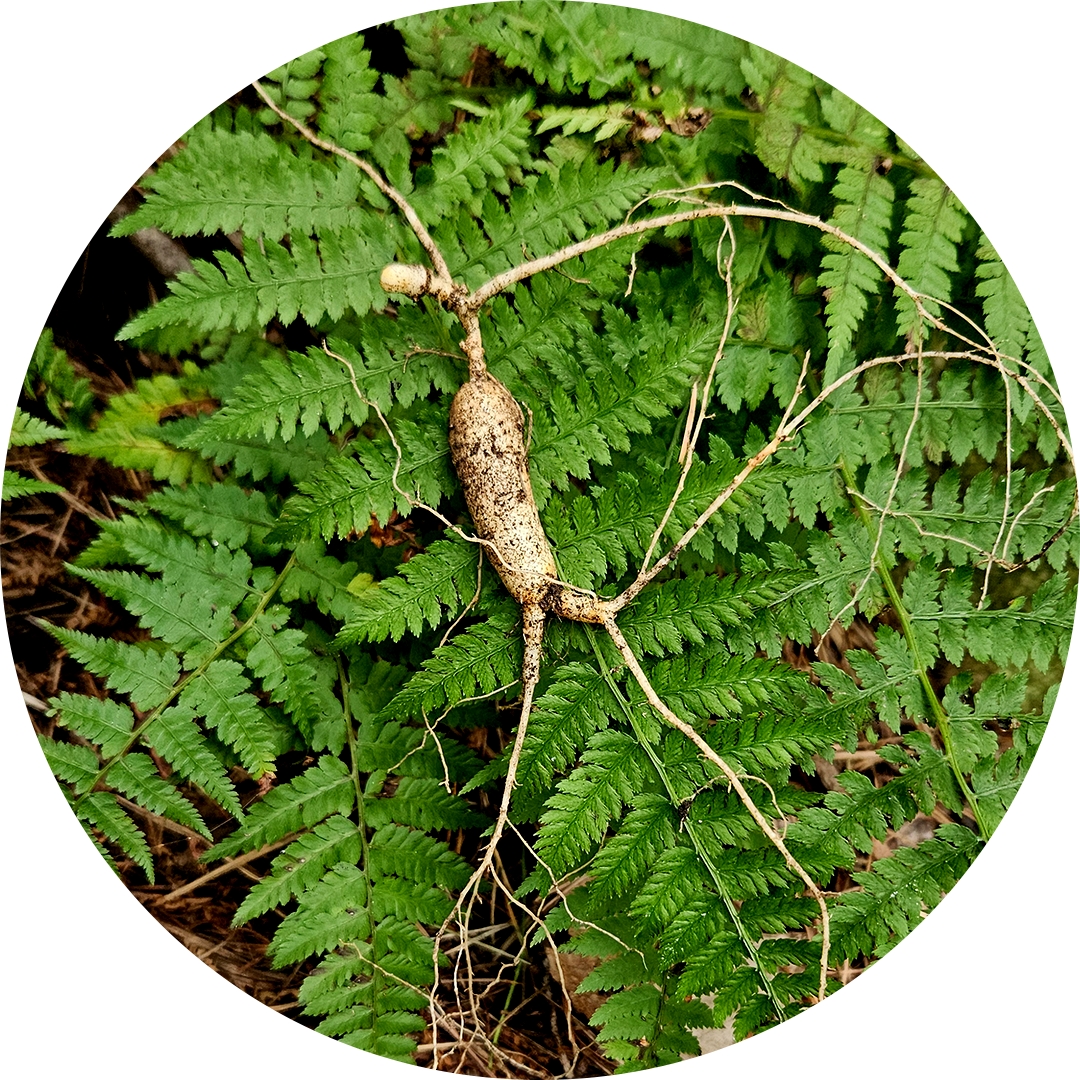
Tosan Sansam grows in an environment 100% identical to
Korean native wild ginseng and is perfectly organic.
Tosan Sansam sprouts, grows, and survives naturally
in the wild environment.
in the wild environment.
Tosan Sansam sprouts, grows, and survives naturally in the wild environment.
The only help our Simmani provide is
clearing weeds and protecting them from wild animals.
clearing weeds and protecting them from wild animals.
After 20 years, they grow solely by their own power
along with nature, without any human protection.
along with nature, without any human protection.
The only help our Simmani provide is
clearing weeds and protecting them from wild animals.
clearing weeds and protecting them from wild animals.
After 20 years, they grow solely by their own power
along with nature, without any human protection.
along with nature, without any human protection.
Therefore,
Tosan Sansam matches native Korean wild ginseng 100%
in size and shape by age.
Tosan Sansam matches native Korean wild ginseng 100%
in size and shape by age.
Therefore, Tosan Sansam matches native Korean wild ginseng 100% in size and shape by age.
Growth Process of Tosan Sansam
Germination & Direct Seeding
of Wild Ginseng Seeds
of Wild Ginseng Seeds
Germination &
Direct Seeding
Direct Seeding
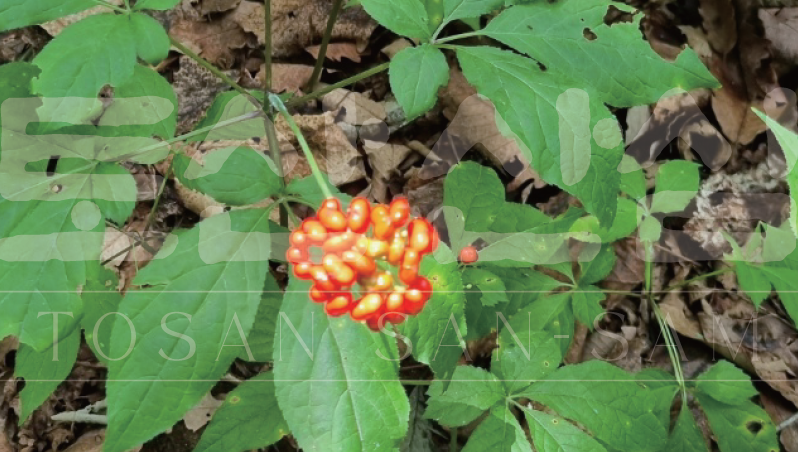
Seed Harvesting
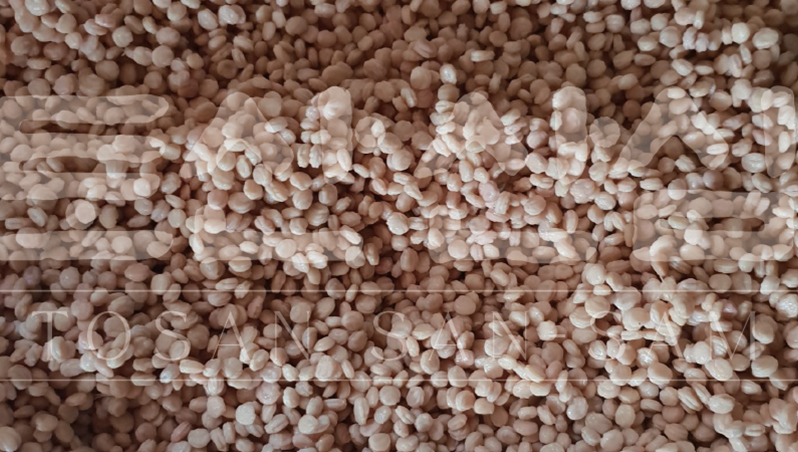
Seed Germination
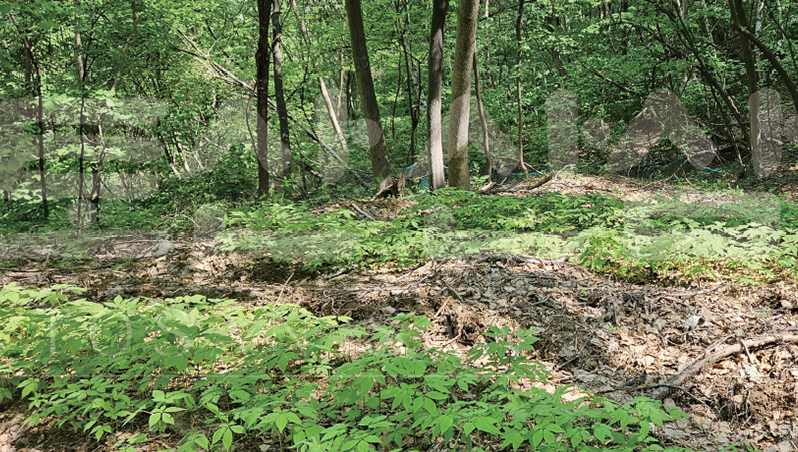
Direct Seeding
Natural Growth (By Age)
Natural Growth
(By Age)
(By Age)
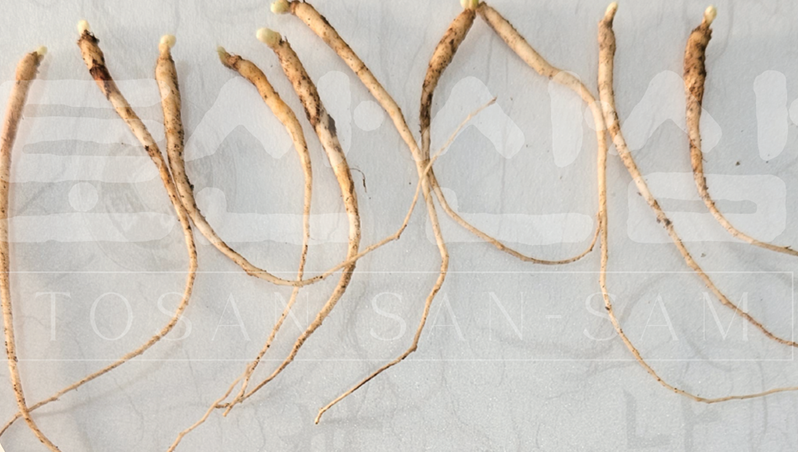
1-Year-Old

5-Year-Old
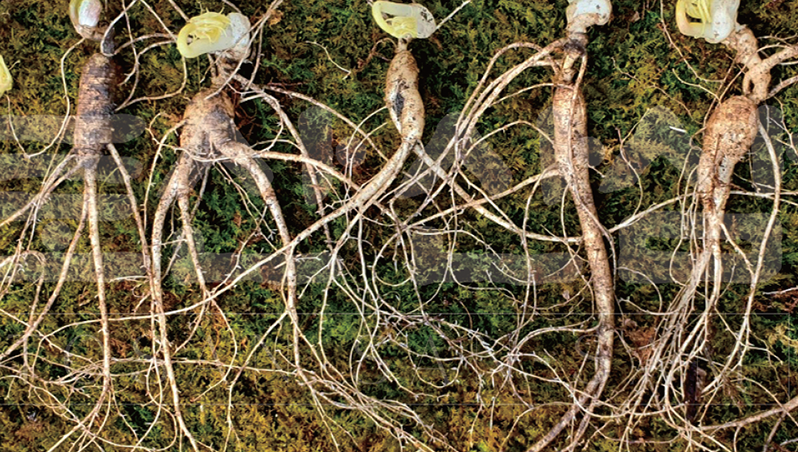
10-Year-Old
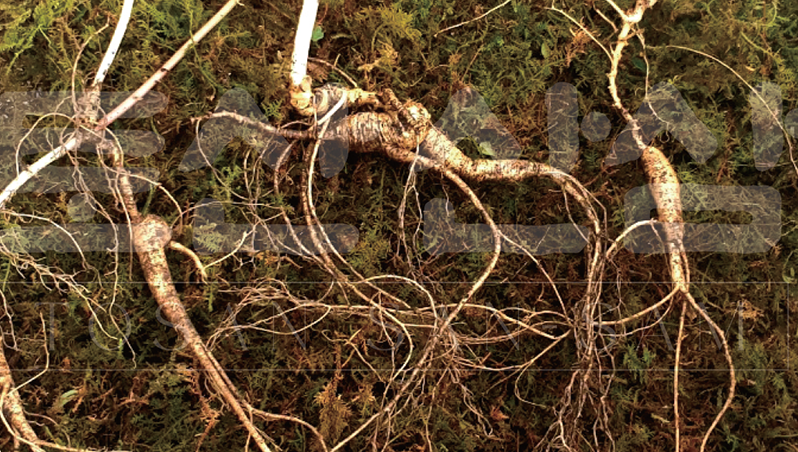
16-Year-Old

20-Year-Old
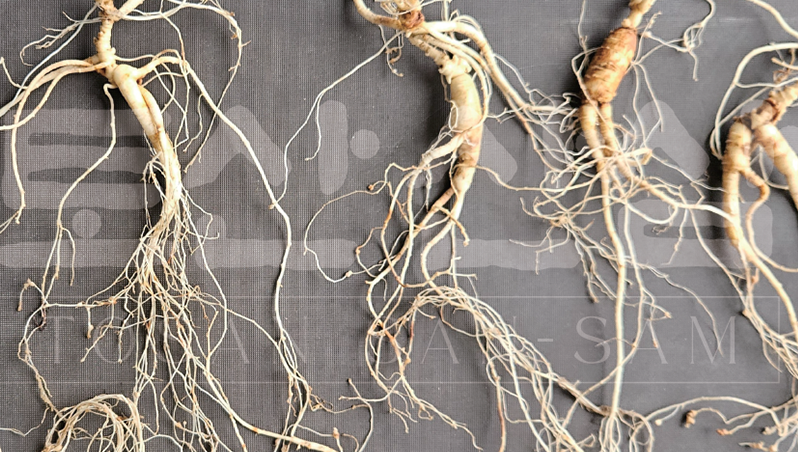
25-Year-Old
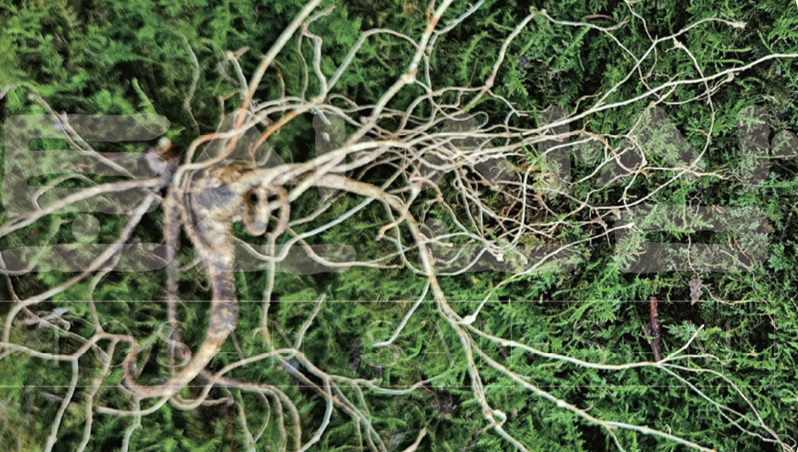
30-Year-Old
種 Species
Wild Ginseng
Species Preservation
Species Preservation
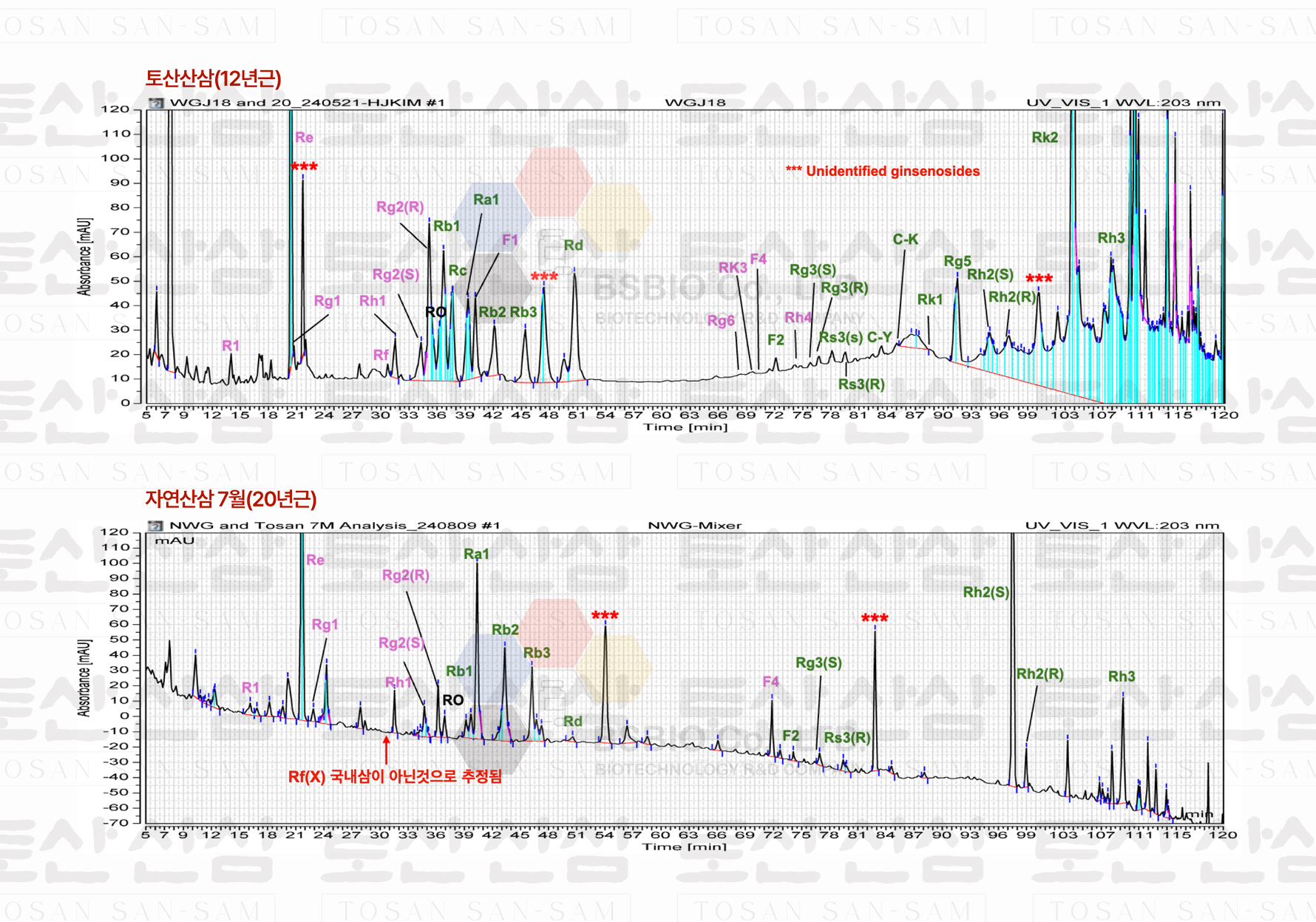

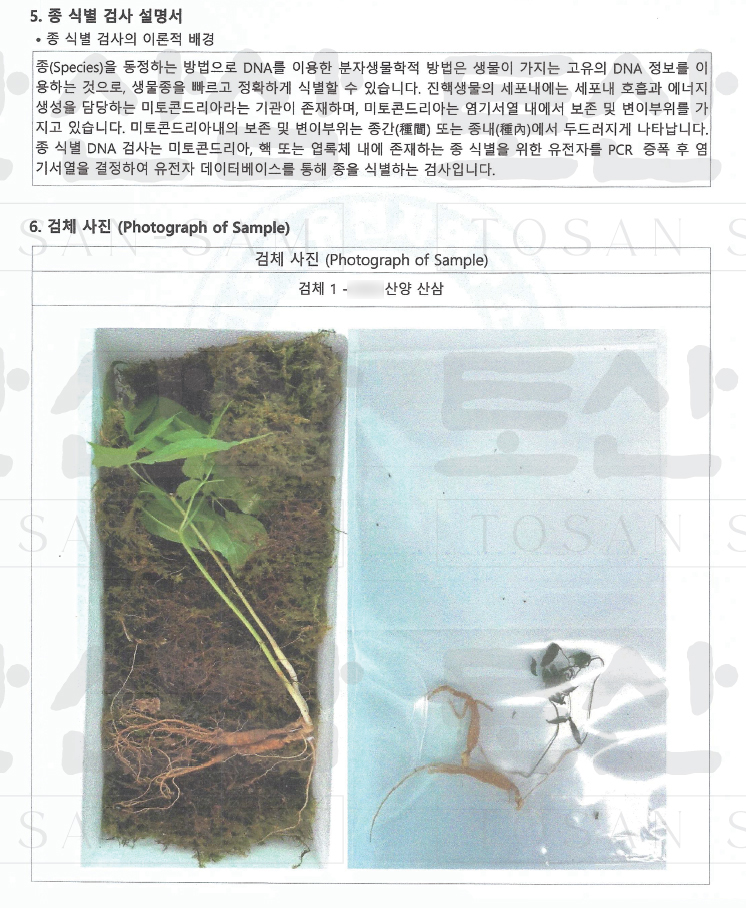
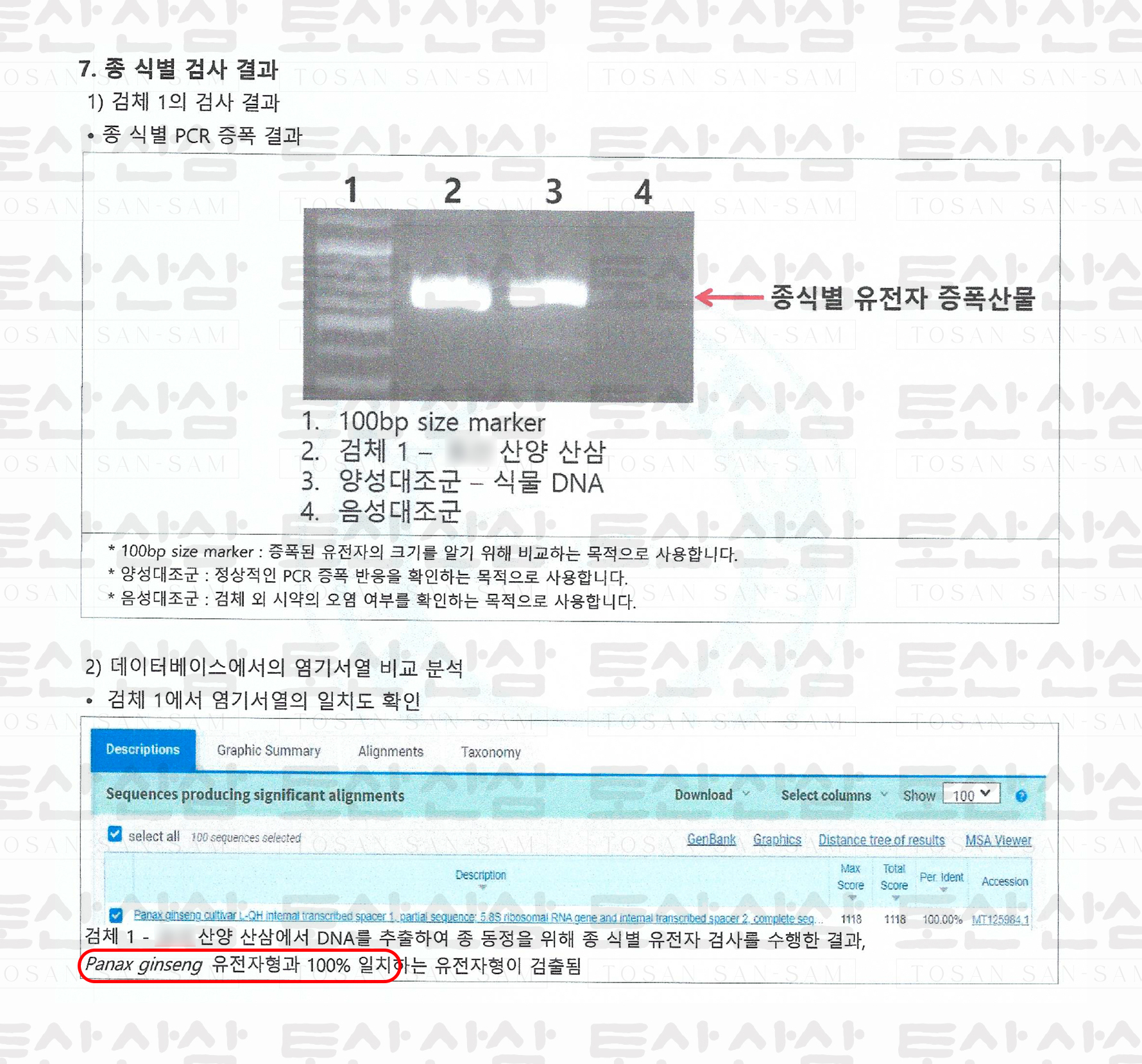
Tosan Sansam
has been confirmed as a native Korean wild ginseng gene,
according to the database matching results
according to the database matching results
from the National Center for Biotechnology Information (NCBI),
showing a 100% match with native Korean wild ginseng.
showing a 100% match with native Korean wild ginseng.
Furthermore, through our dedication
to species preservation,
to species preservation,
Tosan has successfully blocked
any potential influx of foreign species.
any potential influx of foreign species.
Tosan Sansam
has been confirmed as a native Korean wild ginseng gene,
according to the database matching results
according to the database matching results
from the National Center for Biotechnology Information (NCBI),
showing a 100% match with native Korean wild ginseng.
showing a 100% match with native Korean wild ginseng.
Furthermore, through our dedication to species preservation,
Tosan has successfully blocked any potential influx of foreign species.
Why DNA?
Why Perform
DNA Analysis?
DNA Analysis?
It has been confirmed that many mountain-cultivated ginseng products
distributed in the domestic market are grown by mixing
domestic, hybrid, and foreign seeds together.
distributed in the domestic market are grown by mixing
domestic, hybrid, and foreign seeds together.
Therefore, without proper DNA testing,
foreign or hybrid varieties are highly
likely to be sold as 100% domestic seeds.
foreign or hybrid varieties are highly
likely to be sold as 100% domestic seeds.
In some cases, small regular ginseng seedlings were transplanted to mountains,
left for just a year, and then falsely marketed as premium mountain-cultivated ginseng at low prices.
left for just a year, and then falsely marketed as premium mountain-cultivated ginseng at low prices.
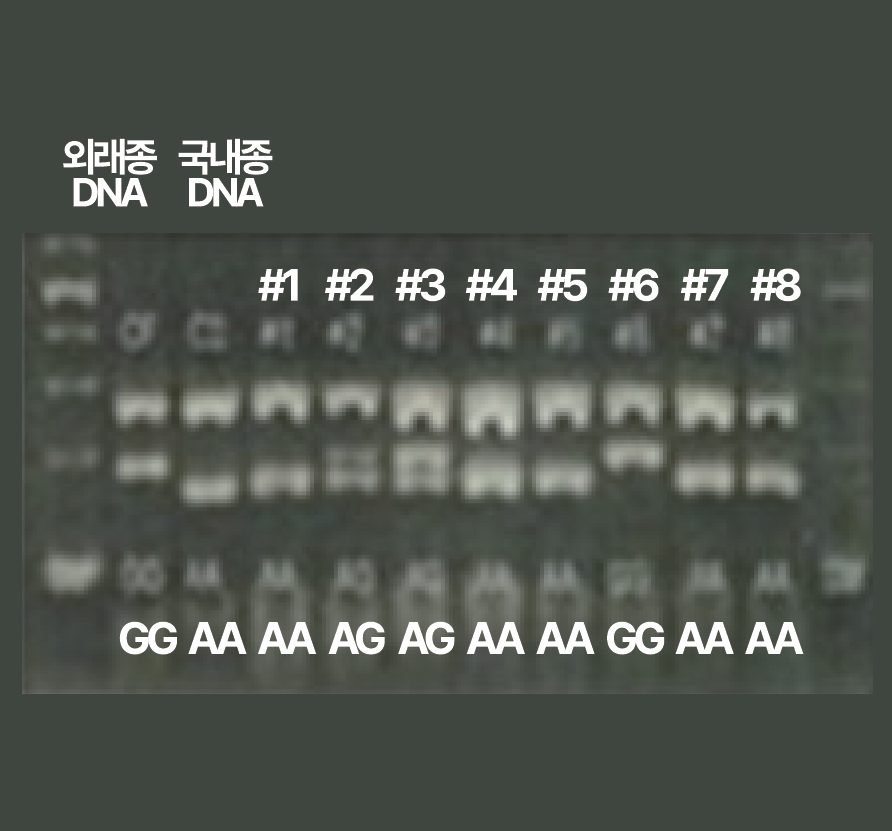
DNA Analysis Results of
Mountain-Cultivated Ginseng
Mountain-Cultivated Ginseng
(Ref: Nov 13, 2008, Genetic Engineering Research Institute, Gangwon ** University)
| No. | Region | Sample | DNA Test | Result |
|---|---|---|---|---|
| #1 | Gangwon *** | Cheonjong, 60-Year-Old | A/A Type | Domestic |
| #2 | Gangwon *** | Jijong | A/G Type | Hybrid |
| #3 | Gangwon *** | 1-Year-Old | A/G Type | Hybrid |
| #4 | Gangwon *** | 1-Year-Old | A/A Type | Domestic |
| #5 | Gangwon *** | 2-Year-Old | A/A Type | Domestic |
| #6 | Gangwon *** | 2-Year-Old | G/G Type | Foreign |
| #7 | Gangwon *** | 2-Year-Old | A/A Type | Domestic |
| #8 | Gangwon *** | 2-Year-Old | A/A Type | Domestic |
適者生存
Survival
of the Fittest
of the Fittest
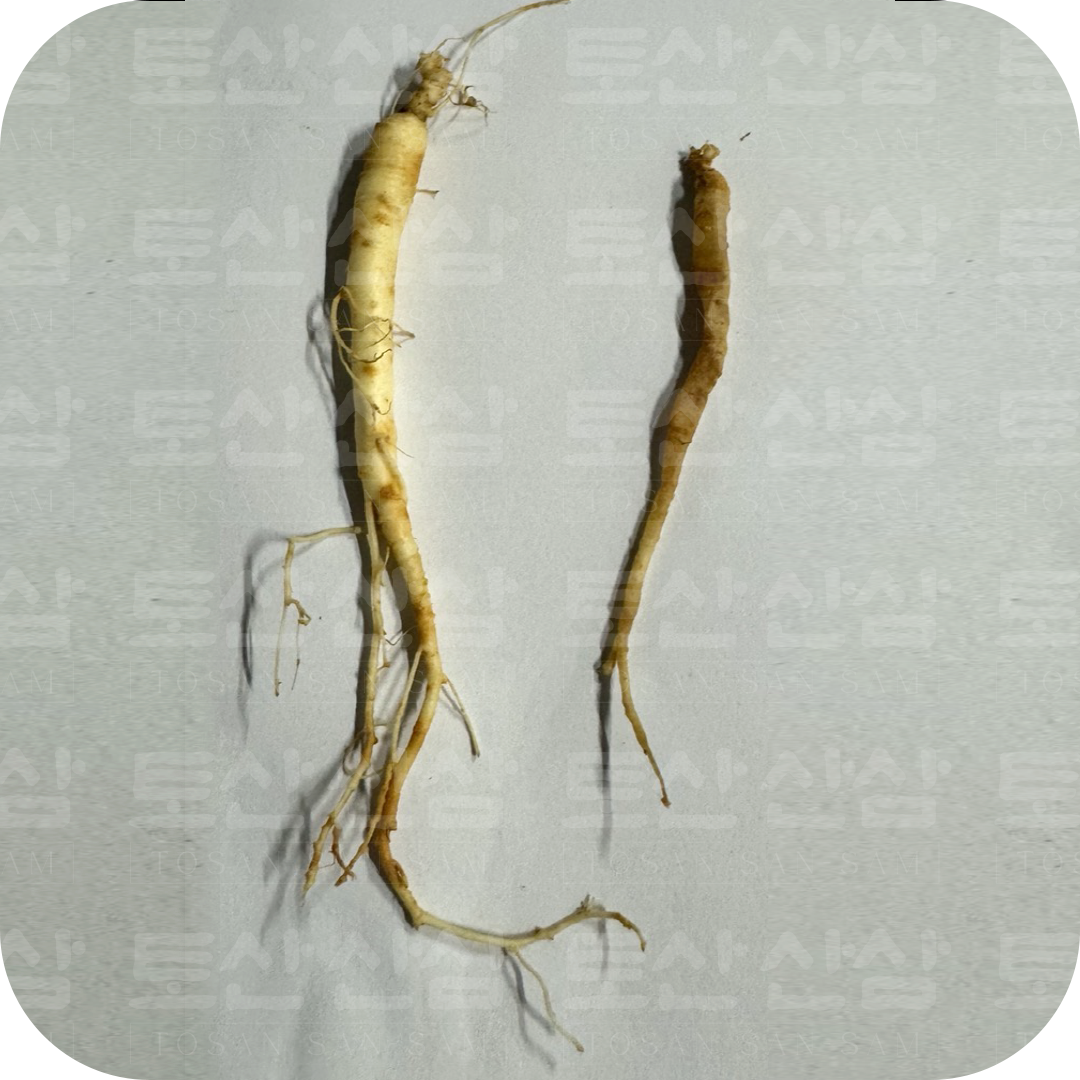
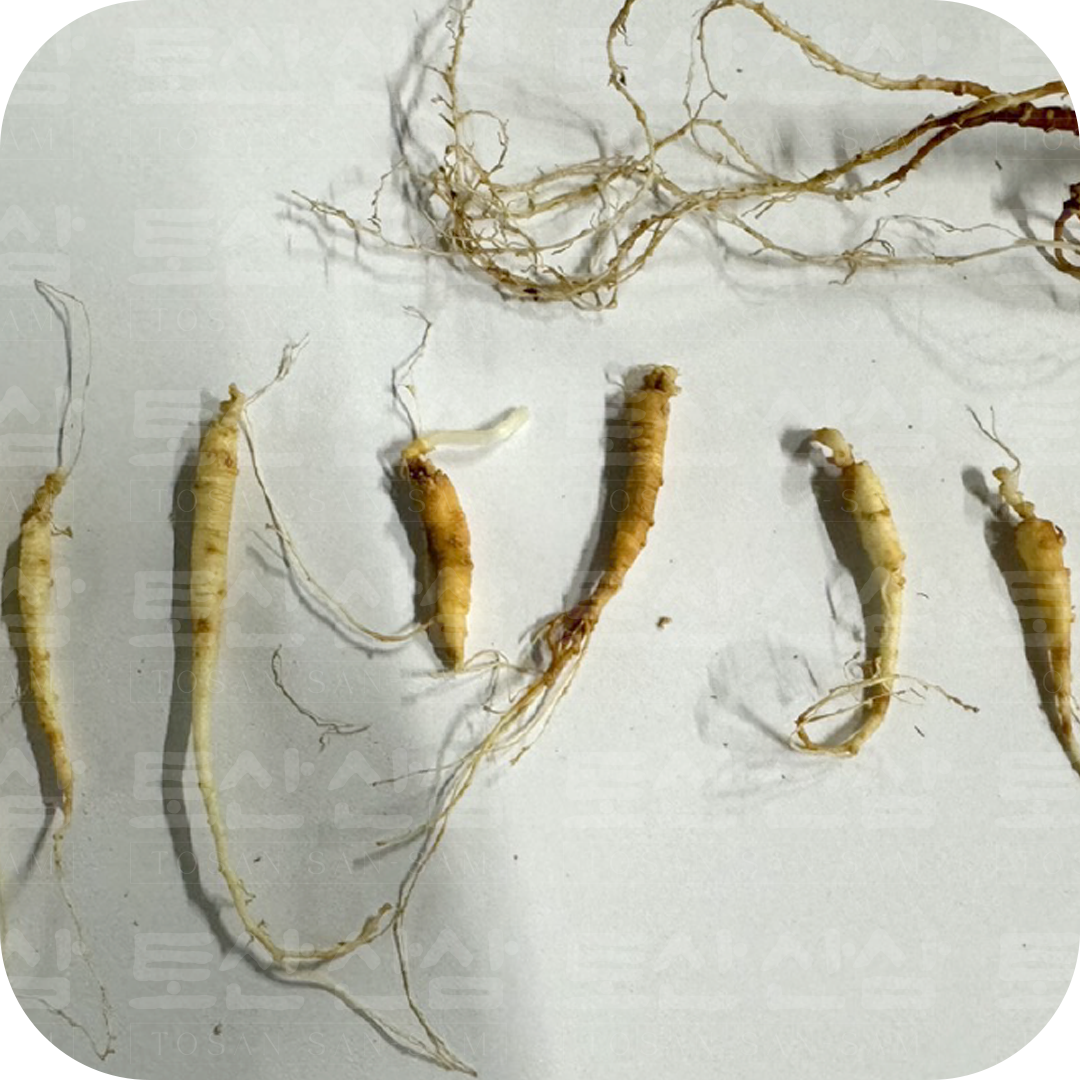
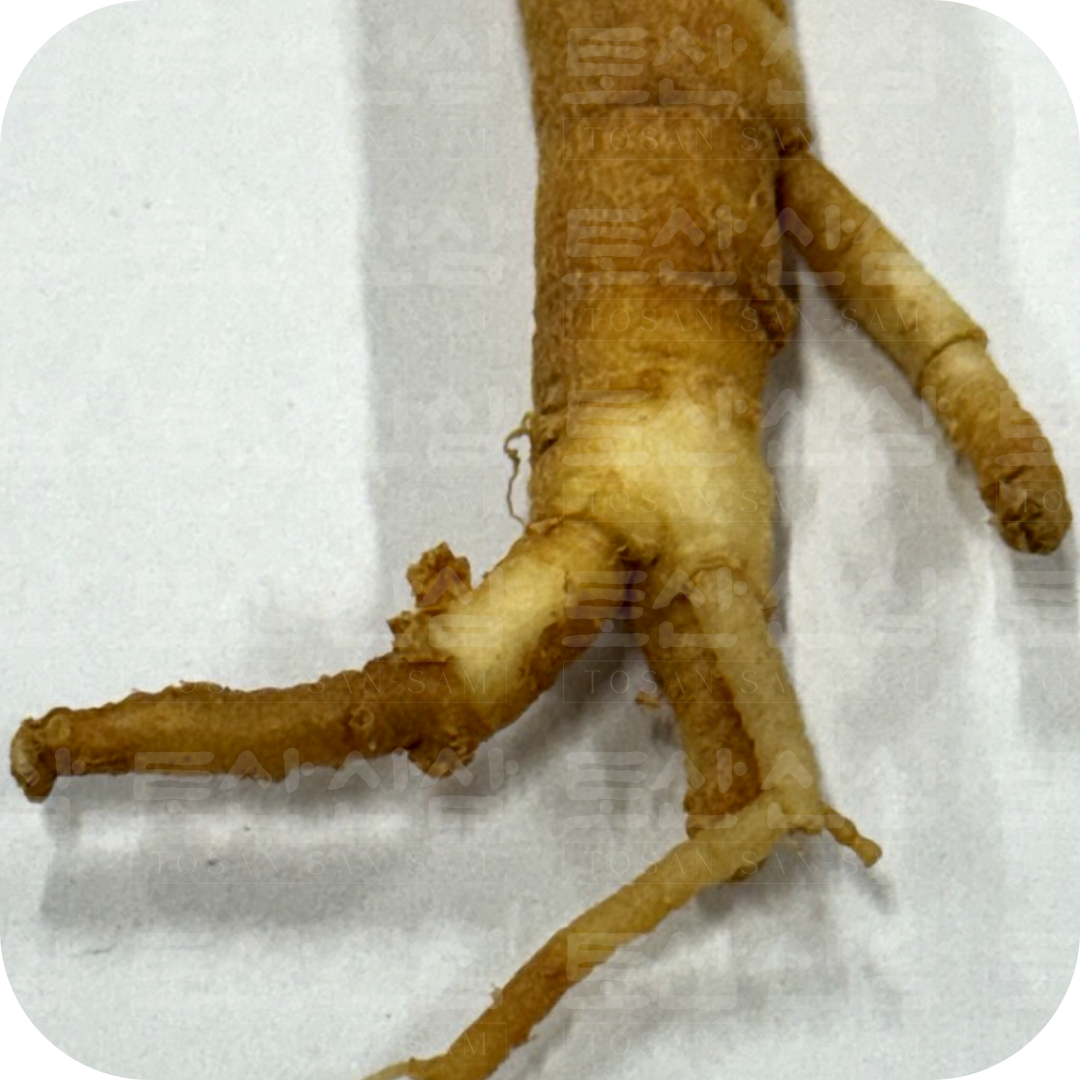
Tosan Sansam competes and survives
on its own in nature.
on its own in nature.
Ginseng that fails to compete with its surroundings
is eventually eliminated—its roots melt away,
giving its nutrients to other Tosan Sansam.
is eventually eliminated—its roots melt away,
giving its nutrients to other Tosan Sansam.
Ginseng that fails to compete with its surroundings
is eventually eliminated—its roots melt away, giving its nutrients to other Tosan Sansam.
is eventually eliminated—its roots melt away, giving its nutrients to other Tosan Sansam.
Even at the exact same age, each Tosan Sansam
grows differently, sometimes resulting in
striking differences in appearance.
grows differently, sometimes resulting in
striking differences in appearance.
Even at the exact same age, each Tosan Sansam
grows differently, sometimes resulting in striking differences in appearance.
grows differently, sometimes resulting in striking differences in appearance.
To halt its own growth due to various harsh factors,
it may shed its own roots and endure
until it is ready to grow again.
it may shed its own roots and endure
until it is ready to grow again.
To halt its own growth due to various harsh factors,
it may shed its own roots and endure until it is ready to grow again.
it may shed its own roots and endure until it is ready to grow again.